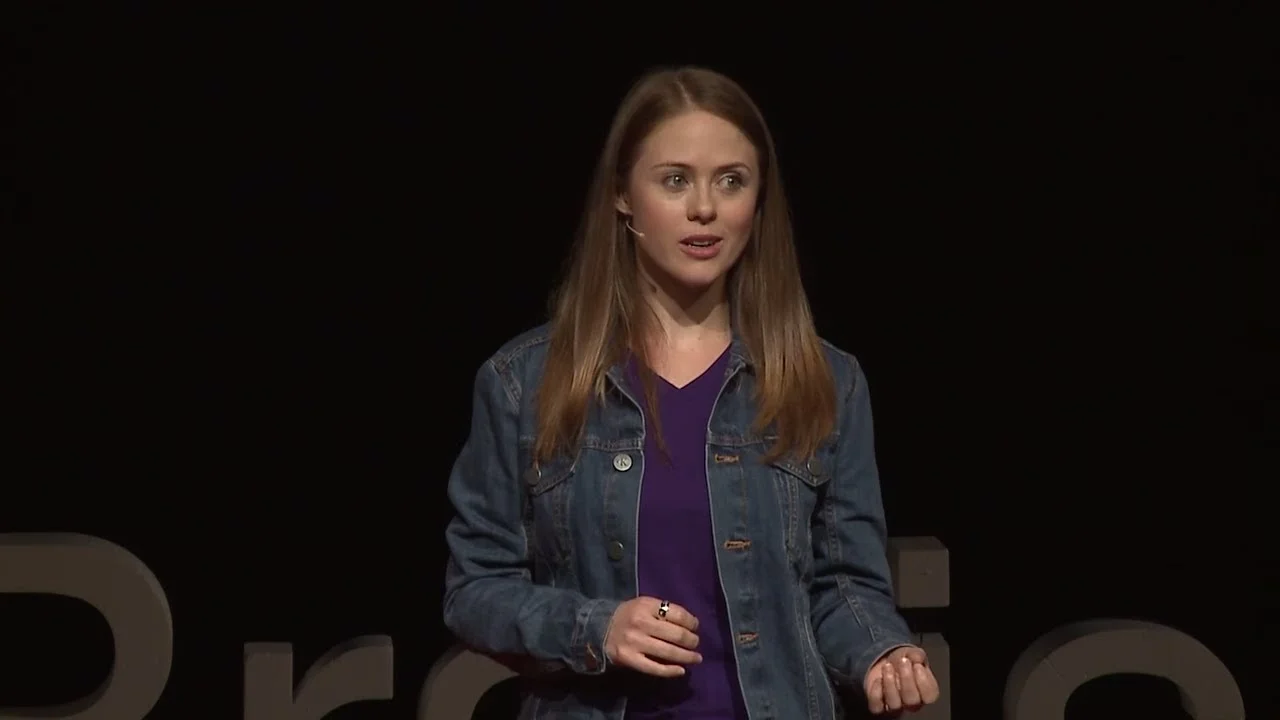
Jessica McCabe shares her personal journey with ADHD, from a struggling childhood to a successful adulthood, and explains what ADHD really is, how it affects the brain, and the strategies that helped her thrive.
Early Struggles and Diagnosis ⏱ 0:00
•Behavior is affected by the brain.\n- As a smart kid, spoke in full sentences by 18 months, scored post-high school on standardized tests by third grade.\n- Struggled with few friends, easily overwhelmed, spaced out in class, lost things constantly.\n- Diagnosed with ADHD in middle school after grades suffered.\n- ADHD has three primary characteristics: inattention, impulsivity, and hyperactivity.\n- Most common presentation is a combination of both.Medication and Initial Success ⏱ 2:01
•Stimulant medication worked like putting on glasses; could focus.\n- GPA went up a full point without changing anything else.\n- By 14 had friends, by 15 published first poem, by 17 knew wanted to be a journalist.\n- Enrolled in local college program guaranteeing admission to USC, but never made it.Adulthood Struggles and Research ⏱ 3:03
•Started having trouble making it to class on time; forgot to sign up for statistics course, never got credit.\n- Dropped out of college by 21, started and quit or was fired from 15 jobs over next ten years.\n- Ruined credit, got married and divorced within a year.\n- At 32, read self-help books that didn't help.\n- Knew behavior affected by brain, and brain has ADHD; started research.\n- Found good information from researchers and medical professionals, but not much intended for people with ADHD.Starting a YouTube Channel and Learning About ADHD ⏱ 5:37
•Started a YouTube channel, almost called it 'How Not To ADHD'.\n- Learned ADHD affects 5-8% of global population.\n- ADHD is a neurodevelopmental disorder with measurable brain differences; adults have it too.\n- ADHD is on a spectrum; diagnosis based on significant and chronic impairment in multiple aspects of life.\n- ADHD is a misnomer: it's not a deficit of attention but trouble regulating it.\n- Current understanding involves neurotransmitters like dopamine and norepinephrine.\n- Medication is effective for around 80% of people with ADHD, but isn't enough.\n- ADHD impairs executive functions like planning, prioritizing, and sustaining effort; affects emotion regulation, behavior, sleep.\n- Strategies that help: cognitive behavioral therapy, coaching, meditation, regular exercise.Key Takeaways
•- ADHD is a real neurodevelopmental disorder affecting 5-8% of the global population, with measurable brain differences.\n- Medication helps about 80% of people with ADHD but isn't sufficient; strategies like CBT, coaching, and exercise are important.\n- ADHD is about difficulty regulating attention, not a deficit; it impairs executive functions and emotion regulation.\n- ADHD brains have strengths: they are 300% more likely to start their own business, and tend to be generous, funny, creative.\n- Success for Jessica came from learning about her brain, finding a job that engages it, and learning strategies for challenges.Conclusion
Understanding ADHD as a real, treatable condition with both challenges and strengths can help those with ADHD and those around them. With the right knowledge and support, people with ADHD can thrive.