
Person-Centered Care for Dementia: Understanding Needs Through Communication
Source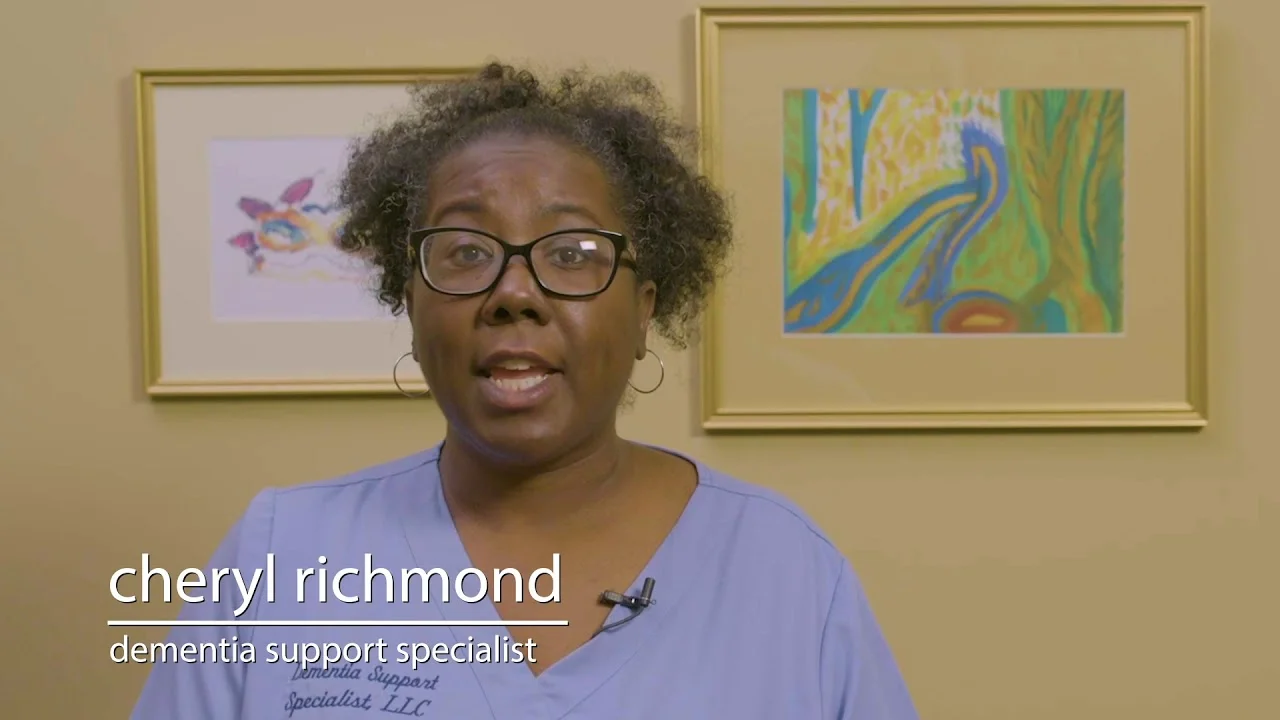
This video illustrates how person-centered dementia care can reduce stress for both residents and caregivers by recognizing behaviors as communication of unmet needs.
Behaviors as Communication
When a person with dementia has an unmet need, it can create a stressful situation. Person-centered dementia care begins with the premise that a behavior is the communication of a thought or expression of a need or emotion. People with dementia may have more word-finding difficulties and therefore communicate their needs differently. Behaviors such as yelling, throwing things, or cursing are likely caused by pain or discomfort. Understanding someone's individual coping strategies can aid in their care and decrease stress.
Building Relationships Through Conversation
The video shows a caregiver engaging a resident in conversation even though she knows the resident did not make the object they are discussing. Conversations help build relationships between caregivers and residents. Person-centered care is more successful when the caregiver knows the life story of the resident.
Managing Transitions with Warmth
Transitions from one activity to another can be disorienting for someone living with dementia, but if done right, transitions can be an enriching time. Friendly greetings, warm welcomes, and formal introductions can improve experiences and social interactions among residents. Focusing on the person and the relationship rather than the tasks that need to be completed will lead to better outcomes for both residents and staff.
Key Takeaways
Conclusion
This video demonstrates how person-centered care, focusing on communication and relationships, can improve the experiences of both residents with dementia and their caregivers. For more assistance, the Alzheimer's Association provides support at 800-272-3900.