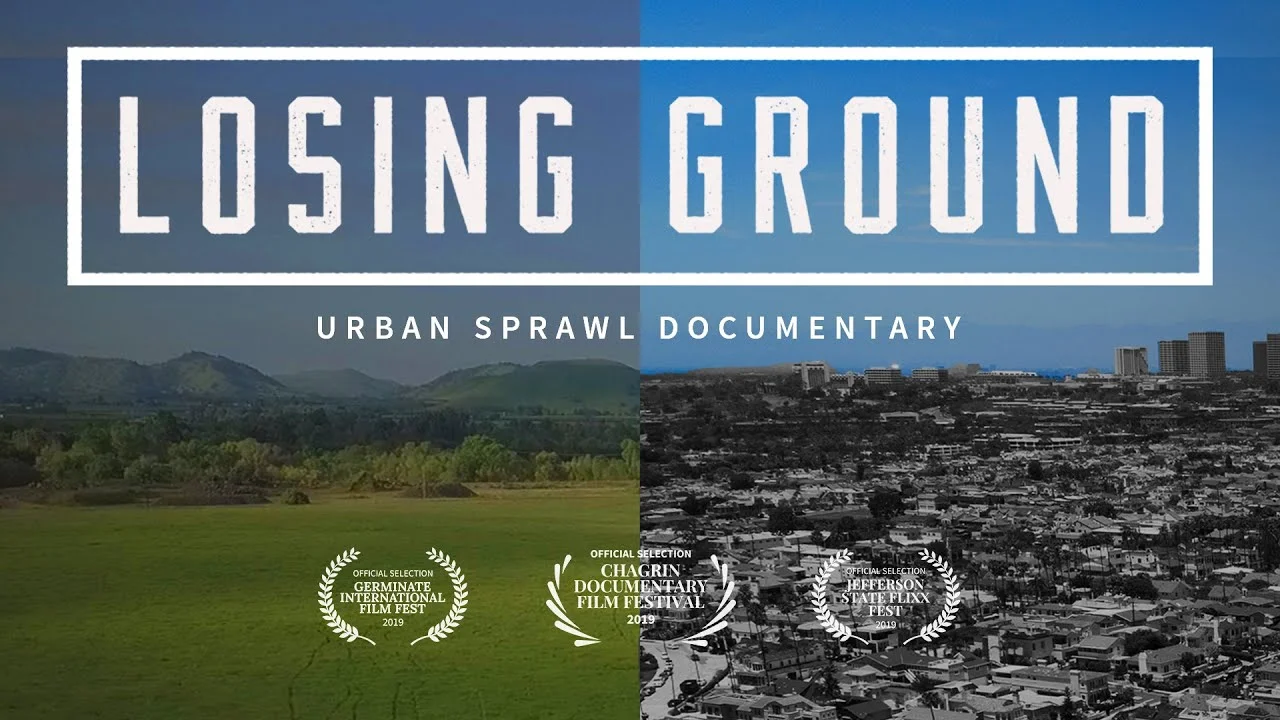
Urban sprawl is consuming farmland across the United States at an unsustainable rate, threatening food security and rural communities.
The Scale and Impact of Farmland Loss
•The U.S. loses 1.5 million acres of farmland annually, or 175 acres every hour, which is nearly twice as fast as previously thought.•Over 31 million acres of farmland have been lost in 20 years, enough to cover all of Iowa's farms in concrete.•Prime farmland near urban areas is most at risk because it is flat, cheap to develop, and historically located where cities grew.Challenges for Farmers and Communities
•Farmers face rising property taxes, development pressure, and isolation as suppliers leave, making operations unviable.•Urban sprawl erodes small-town camaraderie and leads to stereotypes of farmers, with only about 1% of the population now farming.•Examples like John Lovins in Georgia and Jim Marsh in Illinois show families forced to sell land they loved for generations due to sprawl.Solutions and Hope for the Future
•Agricultural conservation easements can protect land by keeping it undeveloped and providing farmers compensation.•Smart zoning, like Montgomery County's agricultural reserve, and direct marketing near cities help some farms thrive.•Public education is crucial to shift mindsets, as people may choose to drive farther to preserve farmland if they understand its value.Key Takeaways
•Farmland loss in the U.S. is accelerating, with 1.5 million acres disappearing each year, endangering food production.•Farmers are pushed out by high taxes, development, and isolation, threatening rural livelihoods and heritage.•Protection efforts like easements and zoning, combined with public awareness, offer ways to curb sprawl and sustain agriculture.Conclusion
Without immediate action to value and protect farmland, America risks losing a critical resource for food security and future generations.