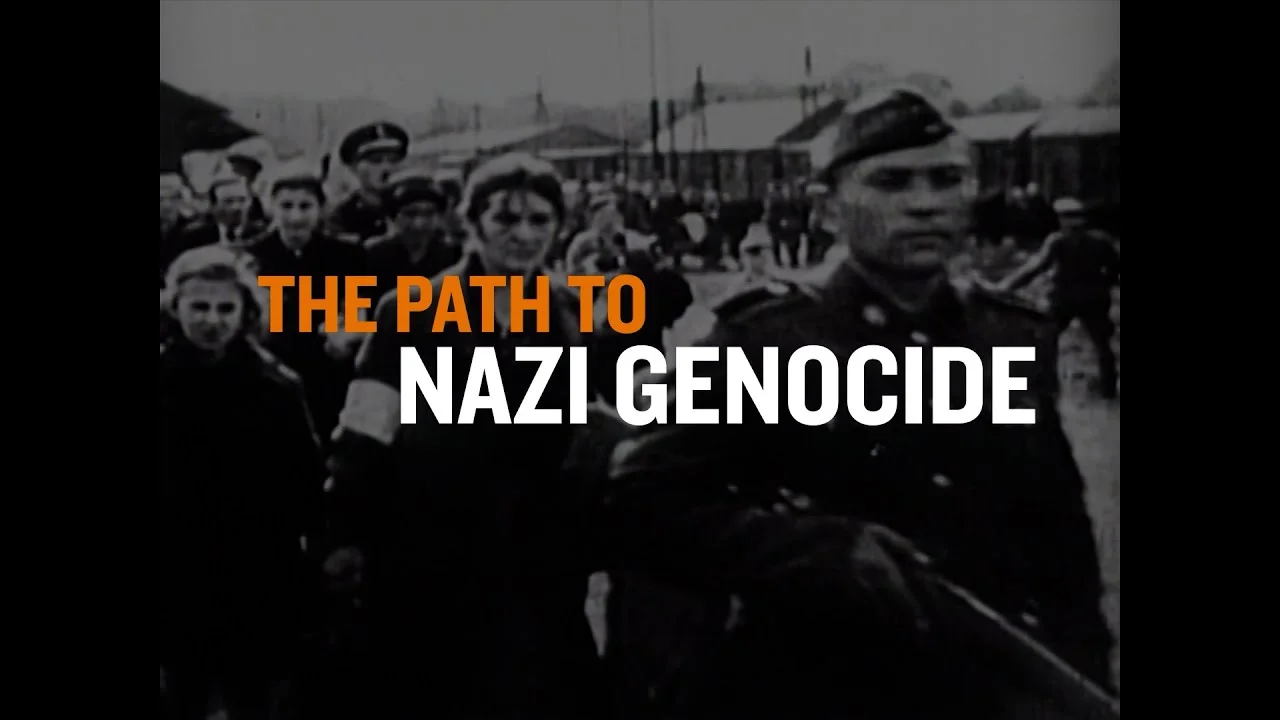
This article traces the historical trajectory from the aftermath of World War I through the rise of Nazism to the systematic genocide of the Holocaust.
The Aftermath of World War I and the Rise of Nazism
•World War I devastated Europe, killing millions and shattering optimism, with Germany's defeat and the 1919 Treaty of Versailles causing humiliation, territorial loss, and heavy reparations.•Economic crises, including hyperinflation and the Great Depression, led to widespread unemployment and political violence, creating fertile ground for extremist parties like the Nazis.•Adolf Hitler, leader of the Nazi Party, exploited fears with promises of restoration, gaining support but never winning a majority in free elections, and was appointed chancellor in 1933 through a coalition deal.Nazi Consolidation of Power and Anti-Jewish Policies
•After the Reichstag fire, Hitler used emergency decrees to suspend civil rights, arrest opponents, and establish concentration camps, with many Germans accepting these measures for order.•The Nazis enacted race laws to create a 'racially pure' Germany, excluding Jews from public life, segregating them, and impoverishing them through hundreds of laws between 1933 and 1939.•Kristallnacht in 1938 saw orchestrated violence against Jews, destroying synagogues and businesses, and leading to mass arrests, with Jews facing increasing barriers to emigration as war approached.World War II and the Implementation of the Holocaust
•Germany's territorial expansion, starting with invasions of Poland and other countries, led to World War II, enabling more radical racial policies under military occupation.•Mobile killing squads and collaborators murdered millions of Jews in mass shootings, while ghettos concentrated Jews under horrific conditions before deportations to killing centers.•At camps like Auschwitz, Jews were systematically killed with poison gas or through forced labor, with nearly half of Holocaust victims dying in these facilities, until Allied liberation revealed the atrocities to the world.Key Takeaways
•The devastation of World War I and economic crises created conditions that allowed the Nazi Party to rise to power in Germany, despite never winning a majority vote.•The Nazis implemented systematic anti-Jewish policies, including segregation, impoverishment, and violence, culminating in Kristallnacht and the establishment of concentration camps.•During World War II, the Nazis escalated genocide through mass shootings, ghettos, and killing centers, murdering millions of Jews before Allied forces liberated the camps and exposed the Holocaust.Conclusion
The Holocaust, a genocide committed by ordinary people in a modern society, darkened humanity's view of the future and necessitated a new word for such crimes.


 8:48
8:48  22:00
22:00 