Hyan Lee presents the dramatic decline in amphibian and reptile biodiversity due to climate change and human activities.
Causes of Decline
•Habitat destruction, agricultural expansion, invasive species, logging, and infrastructure development are main drivers.•Emerging infectious diseases like chytridiomycosis, worsened by climate change and habitat degradation, play a major role.•Climate change shifts temperature and precipitation, affecting breeding cycles and reducing suitable habitats.Why Protection Matters
•Amphibians are ecological indicators due to permeable skin; their decline signals larger environmental instability.•Many medicines come from amphibians; losing them could mean losing cures for undiscovered diseases.•Reptiles and amphibians are key ecosystem components; their loss disrupts ecosystems.Key Takeaways
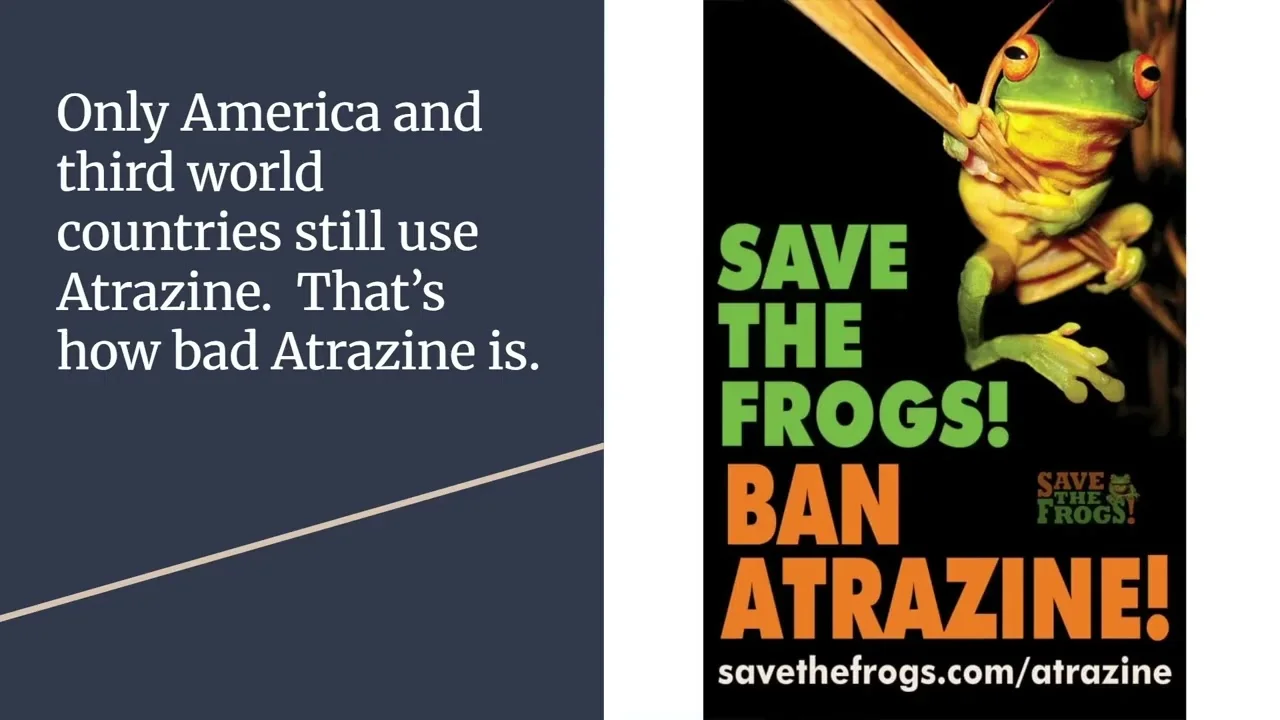
•20% of reptiles and 41% of amphibians are threatened with extinction.•Atrazine, an endocrine disruptor banned in most developed countries, is used on about half of US corn crops.•Protected areas cover over 91% of species ranges, yet over 800 species may still go extinct.Conclusion
Protecting amphibians and reptiles is vital to prevent ecological collapse and preserve undiscovered medical cures.