

Debunking 11 Common Myths About the Salem Witch Trials
Fuente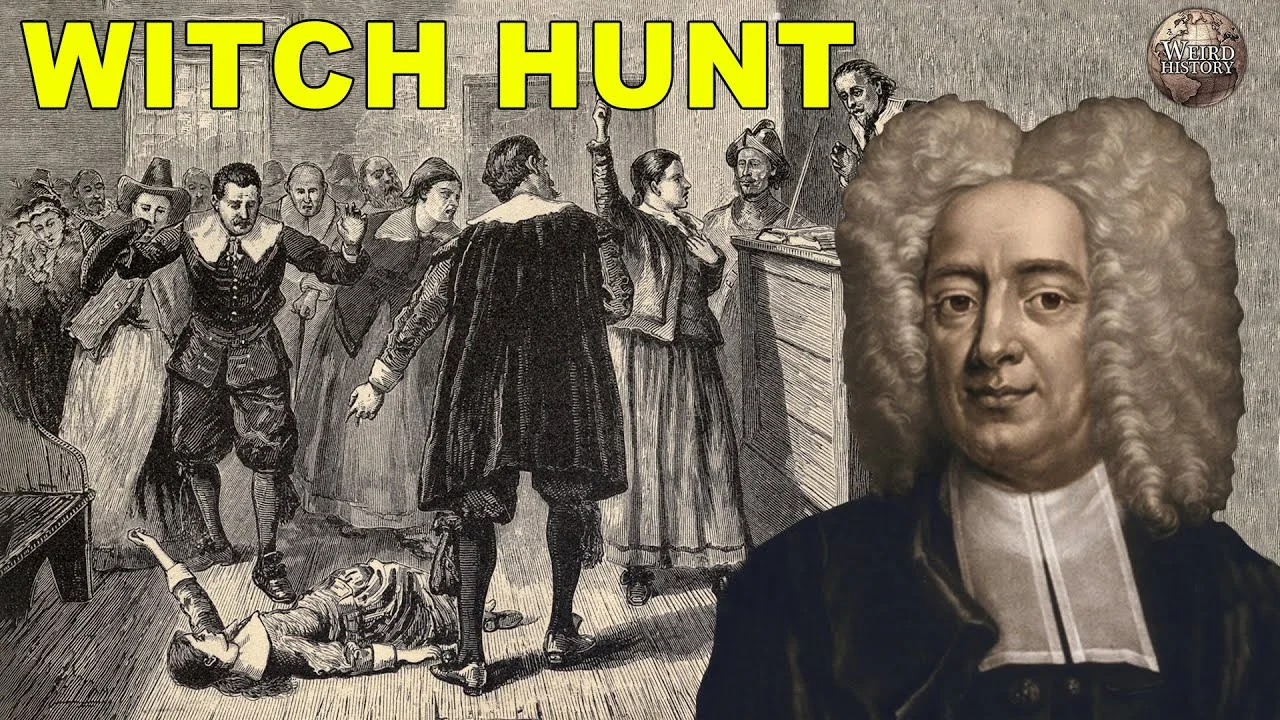
The Salem Witch Trials of 1692 remain one of America's most infamous episodes, where 200 people were accused of witchcraft and 20 were executed. While popular culture has shaped our understanding of these events, many widespread beliefs about the trials are inaccurate. This article separates fact from fiction by examining historical evidence to reveal the complex realities behind the hysteria.
Myth 1: Only Women Were Targeted
A common misconception is that the victims of the Salem Witch Trials were exclusively women, likely reinforced by famous cases like those of Sarah Good and Tituba. However, historical records show that about a quarter of the accused were men, and 30% of those executed were male. Men could be targeted for various reasons, such as being related to an accused woman or having associations with American Indian tribes, demonstrating that gender did not guarantee safety from accusations.
Myth 2: The Accused Were All Poor
Many assume the accused were impoverished and downtrodden, but the reality was more nuanced due to the division between Salem Town and Salem Village. Salem Town was a wealthy port with merchants, while Salem Village consisted of poorer, more puritanical farmers. Most accusers came from the village, and many accused hailed from the town, leading scholars to speculate that wealth inequality and class conflicts played a significant role in motivating the trials.
Myth 3: The Trials Were Uncontested
Contrary to the image of unanimous hysteria, there was opposition to the trials from the start. Reverend Cotton Mather, a respected minister, wrote to the court urging them not to admit spectral evidence—supernatural dreams and visions. His son, then president of Harvard, argued it was better for ten suspected witches to escape than one innocent person be condemned. This influenced the governor to halt arrests and establish a new court that condemned only three of 56 defendants, eventually leading to pardons.
Myth 4: Salem Was the First or Only Witch Hunt
Salem is often seen as the epicenter of witch hunts, but such trials had a long history in Europe. For over three centuries before Salem, Europe conducted witch trials, with laws against witchcraft and professional witch hunters emerging. While Salem's events lasted a year and claimed 20 lives, European trials could last decades and result in thousands of deaths, with an estimated 50,000 witches sentenced between the 16th and 17th centuries. Salem is more notable for being among the last major witch hunts.
Myth 5: Victims Were Burned at the Stake
The trope of burning witches is common in fiction, influenced by European practices, but in Salem, execution methods differed. Almost all victims were hanged, with one exception: Giles Corey, an 80-year-old man pressed to death with stones for refusing to plead guilty. No one was burned at the stake during the Salem trials, debunking a persistent myth about their brutality. This highlights how historical details can be distorted by later cultural representations.
Myth 6: The Fits Were Always Faked
It's easy to assume that the supernatural fits reported in Salem were fabricated, but there's a plausible alternative: ergot poisoning. Ergot is a fungus that affects rye, a staple crop in Salem, and can cause hallucinations similar to LSD. This suggests the initial fits and visions might have been real medical symptoms, kicking off the paranoia. While the subsequent hysteria can't be blamed solely on ergot, it underscores how misunderstandings could fuel the crisis.
Key Takeaways
Conclusion
The Salem Witch Trials were a complex event driven by factors like religion, economics, and social tensions, not just superstition. By debunking these myths, we gain a clearer understanding of how historical inaccuracies can persist and why it's crucial to learn from the past. As modern society still grapples with similar issues, remembering the truths of Salem reminds us of the dangers of hysteria and injustice.
Pregunta sobre este video