

Understanding the Fourth Industrial Revolution
Sumber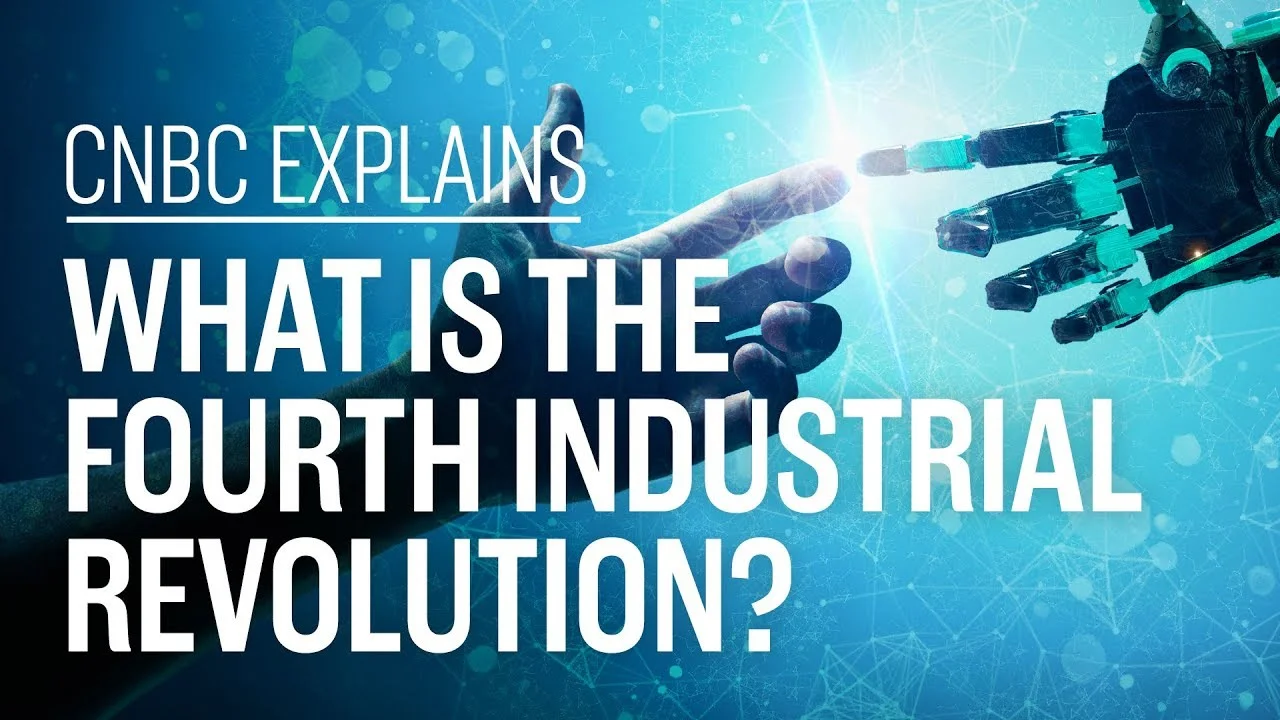
The video explains the origins and meaning of the Fourth Industrial Revolution, tracing its history from the First Industrial Revolution and detailing its key technologies and societal impacts.
Origins and Definition
The term 'Fourth Industrial Revolution' was coined by Klaus Schwab, founder of the World Economic Forum, who presented it at the 2016 Davos meeting. He described it as an era where technologies like artificial intelligence, autonomous vehicles, and the Internet of Things become ingrained in daily life and even human bodies, such as through voice-activated assistants or healthcare sensors.
Historical Context of Industrial Revolutions
The First Industrial Revolution began around 1760 in Great Britain, powered by the steam engine, leading to new manufacturing processes and factories. The Second Industrial Revolution from the late 1800s involved mass production and industries like steel, oil, and electricity, with inventions like the light bulb. The Third Industrial Revolution, or Digital Revolution, in the late 20th century brought semiconductors, personal computers, and the internet.
Distinct Features of the Fourth Industrial Revolution
Experts say the Fourth Industrial Revolution differs from the Third because technology merges more with human lives and change happens faster. For example, the telephone took 75 years to reach 100 million users, while Instagram did it in two years and Pokémon Go in one month. Technologies like 3D printing have grown rapidly, with shipments expected to increase from under 200,000 in 2015 to 2.4 million in 2020, enabling applications like 3D-printed hip replacements and bionic arms.
Innovation and Economic Impacts
This era drives innovation, with patents for technologies like 3D printing and AI rising since the early 2000s. Organizations adopt new technologies for efficiency, similar to how they used the steam engine in the First Industrial Revolution. However, some companies and governments struggle to keep up, and research shows innovators, investors, and shareholders benefit most, potentially worsening inequality. One study found billionaires drove almost 80% of 40 main breakthrough innovations over 40 years, amid a 'winner-takes-all' economy where high-skilled workers are rewarded and others are left out.
Challenges and Concerns
Technologies like AI may eliminate jobs and create demand for new skills many workers lack. Privacy concerns arise as industries from food to banking go digital and collect more customer data, leading to worries about companies knowing too much. The World Economic Forum reports that a majority of leaders lack confidence their organizations are ready for these changes, highlighting the need to catch up with fast-paced technological advancements.
Key Takeaways
Conclusion
The video covers the definition, history, and impacts of the Fourth Industrial Revolution, including its technologies, economic effects, and societal challenges.
Tanya AI tentang video ini