

The AI Revolution: How Tools Like Claude Code Are Reshaping India's IT Industry
출처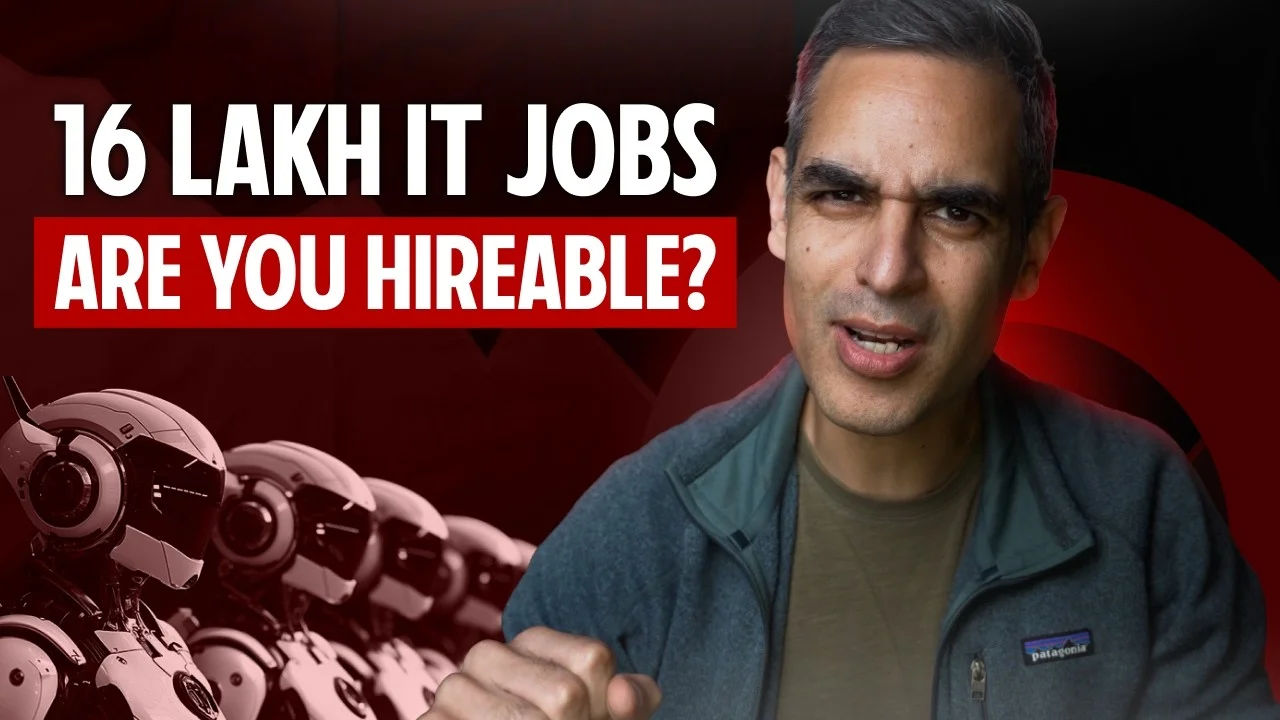
In February 2026, a single blog post from Anthropic about its AI tool, Claude Code, triggered a massive market upheaval, wiping billions from IT stocks globally. This event highlights a pivotal shift in the software engineering landscape, particularly for India's body-shopping business model. The industry is not dying but transforming, demanding new skills and roles.
The February 2026 Shockwave
The crisis began when Anthropic published a blog post detailing how its AI tool, Claude Code, could modernize COBOL systems—a decades-old programming language still running critical infrastructure like 85% of ATMs. This announcement alone caused IBM's stock to plummet by 13%, erasing $31 billion in value, and triggered a chain reaction. Within days, major IT service companies like Accenture and Cognizant saw significant drops, with the entire software industry losing about $2 trillion. The shockwave quickly reached India, where the Nifty IT Index fell 7% in a single day, wiping out lakhs of crores from the market cap. This immediate market reaction signaled a deep-seated fear about the sustainability of traditional IT service models in the face of advanced automation.
India's Vulnerable Business Model
India's IT industry thrives on a body-shopping model, where companies like TCS, Infosys, and Wipro hire large teams to undertake projects for global clients, billing by the hour. According to PwC, 65% of revenue for IT service firms in the country comes from this time-and-cost-based approach. For instance, TCS doubled its revenue from $15 billion to $30 billion over a decade by nearly doubling its workforce from 3.2 lakh to 6.2 lakh people, but revenue per employee remained stagnant. This reliance on adding more people to increase revenue is now under threat as AI tools promise to perform the same work faster, cheaper, and with fewer human resources, challenging the very foundation of this labor-intensive model.
The Rise of AI Tools and Market Fallout
Anthropic's announcements in February 2026 showcased AI's expanding capabilities beyond simple tasks. First, Claude Concierge was released, handling complex, repetitive work like email management and report generation. Then, Claude Code Security demonstrated an ability to find bugs that human testers missed, causing cybersecurity stocks to tumble. Finally, the COBOL modernization claim directly targeted lucrative consulting projects. The cumulative effect was devastating for Indian IT stocks: Wipro fell 23.6%, Infosys 21%, TCS 19%, HCL 18%, and Cognizant 27%, with these five companies collectively losing $68 billion in market cap. This performance reflects investor anxiety over the displacement of human-centric services by efficient AI alternatives.
Shifting Hiring Trends and Skill Demands
The market turmoil has led to tangible changes in employment. Headcount reductions have become standard, with fresher hiring dropping dramatically. In FY 2022-23, IT companies hired about 6 lakh freshers, but this number fell by 75% to only 1 lakh in the following year. By FY 2025, major IT firms hired merely 75 to 80 thousand freshers, a nearly 90% reduction in entry-level opportunities over three to four years. However, this decline is countered by a rising demand for AI skills. Reports indicate that professionals with AI expertise earn, on average, 56% more than those without, with this premium expected to grow to 30-40% over the next five to ten years, highlighting a shift from coding to higher-value architectural roles.
From Coder to Architect: The Future of Tech Careers
The future of technology careers is not about writing code but managing systems and AI agents that write code. As tools like Claude Code can develop, test, debug, and deploy software, the need shifts to professionals who can define what to build, why, and for whom. These architects will focus on personalization, customization, and ensuring robustness, becoming the most powerful players in the industry. This transition emphasizes skills in data analytics, generative AI, and adaptive systems, moving away from the old model of manual coding toward strategic oversight and innovation in an AI-driven environment.
Embracing Change and Upskilling
To navigate this shift, upskilling is essential. Programs like the Professional Certificate Program in Data Analytics, Generative AI, and Adaptive Systems—offered in collaboration with IIT Delhi—provide hands-on experience to transition from builders to architects. These programs focus on project-based learning, helping individuals build portfolios that demonstrate their ability to design data systems and orchestrate AI workflows. Embracing AI as a tool rather than fearing it as a replacement is crucial; those who adapt can thrive in a market where efficiency and innovation are prized, ensuring they remain relevant and competitive in the evolving tech landscape.
Key Takeaways
Conclusion
The AI revolution is not ending software engineering jobs but transforming them, demanding a move from manual coding to architectural thinking. By embracing this change and investing in relevant skills, professionals can secure their place in a future where innovation and adaptability are key. The shift is inevitable, and those who prepare will lead the next wave of technological advancement.
이 영상에 대해 질문하기