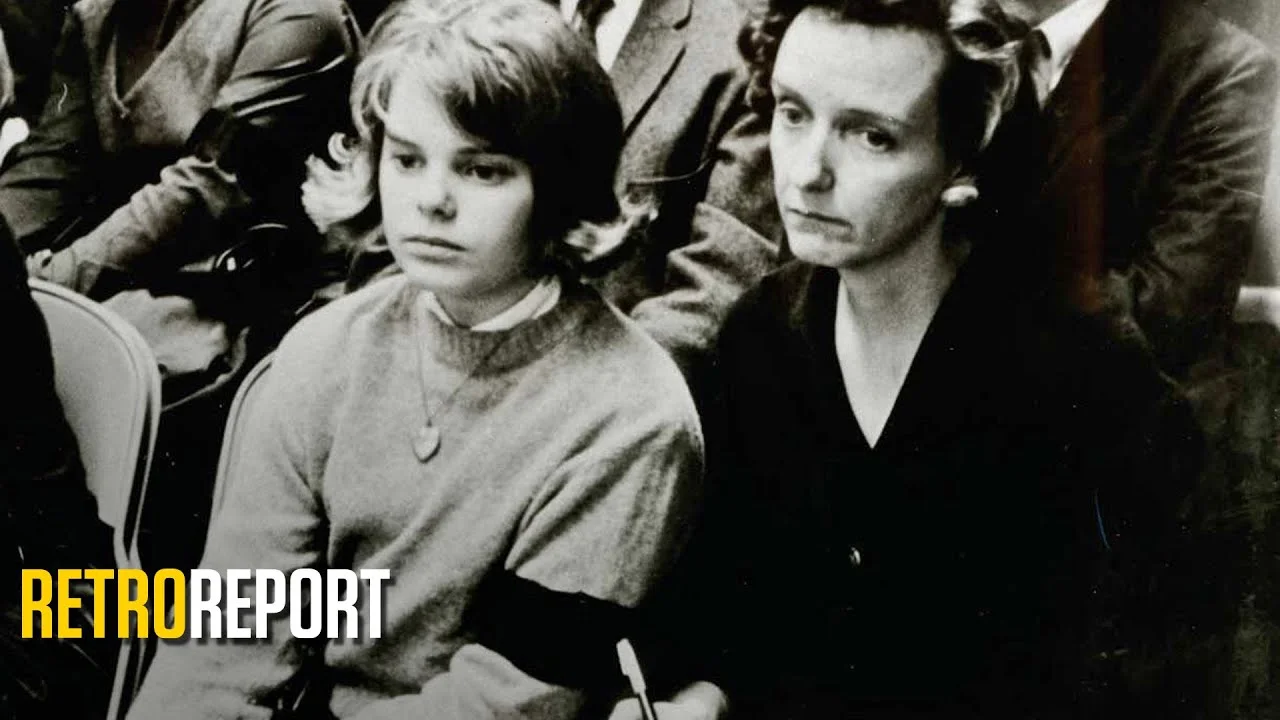
A student describes how wearing black armbands to protest the Vietnam War led to a landmark Supreme Court case affirming students' free speech rights.
The Protest and Suspension
•Students decided to wear black armbands to mourn the dead in Vietnam and call for a truce.•The school district created a last-minute rule forbidding armbands, leading to suspensions for students who refused to remove them.•Five students were suspended; the ACLU took the case to court.Supreme Court Decision and Legacy
•In 1969, the Supreme Court ruled 7-2 that students do not shed their free speech rights at the school door.•The ruling stated that students are persons under the Constitution with rights and responsibilities.•Tinker set a precedent that student speech is protected as long as it does not disrupt school or interfere with others' rights.Modern Challenges: Digital Speech
•A 2021 Supreme Court case (Levy v. Mahanoy) involved a student punished for off-campus Snapchat posts cursing cheerleading.•The Court ruled 8-1 that the punishment violated the First Amendment, noting schools have less authority off campus.•The extent of schools' power over digital speech remains an open question.Key Takeaways
•Tinker v. Des Moines established that students have free speech rights at school, which cannot be suppressed unless it causes disruption.•The case affirmed that young people have a right to express their views and that schools should be a training ground for democracy.•Modern issues, especially digital speech on social media, complicate the application of Tinker, leaving many questions unresolved.Conclusion
The Tinker decision remains important because it affirms students' rights to speak up and participate in their education and society.



 3:43
3:43 