The bitter battle over Supreme Court confirmations traces back to the 1987 Robert Bork hearings, which transformed the process.
The Bork Nomination and Hearing
•In 1987, President Reagan nominated Judge Robert Bork to shift the Court’s balance in a conservative direction.•Democrats attacked Bork’s controversial early writings on civil rights, gender equality, privacy, and abortion.•Liberal groups launched an unprecedented ad campaign, and Senator Kennedy gave a harsh speech portraying Bork’s views as extreme.•Bork’s combative, candid testimony—including saying being a justice would be an "intellectual feast"—helped Democrats defeat him.Aftermath and Legacy
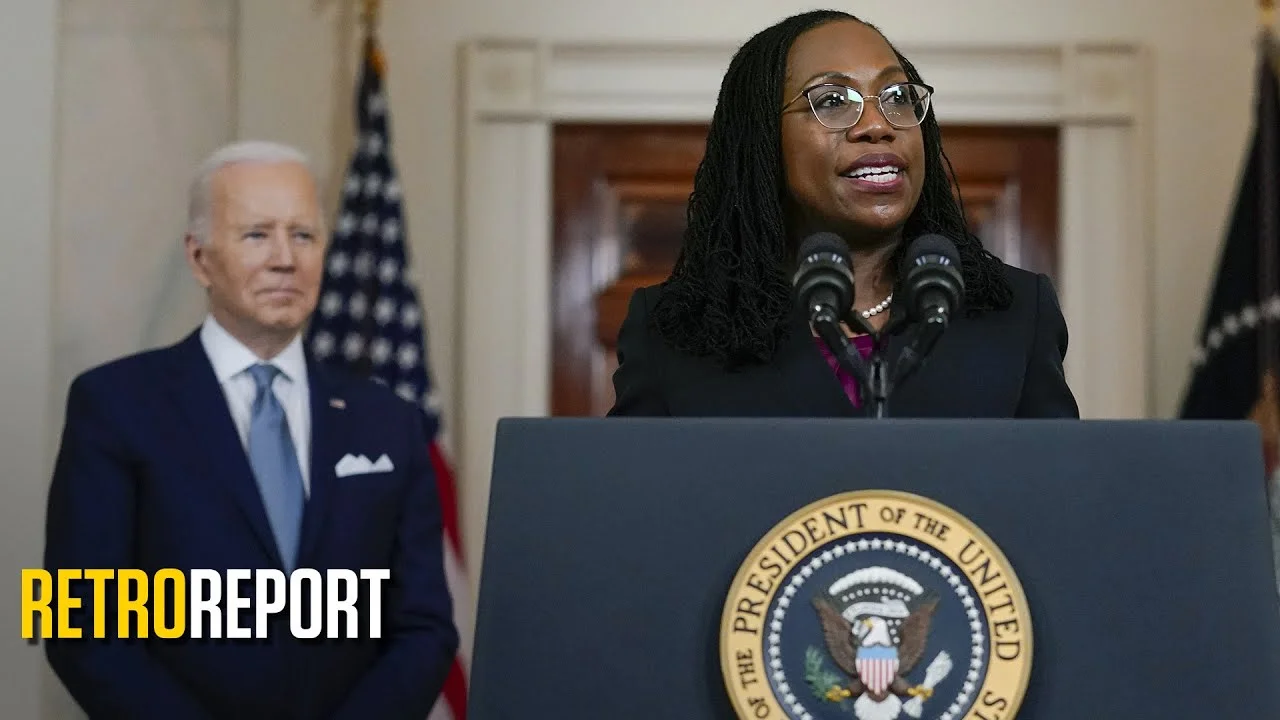
•Bork’s name became a verb, "to Bork," meaning to vilify a nominee.•Some legal experts see the Bork hearings as a model for full, open discussion of a nominee’s judicial philosophy—something not seen since.•The process taught future nominees to evade, obfuscate, and avoid candor, leading to cautious hearings like Ketanji Brown Jackson’s.Key Takeaways
•The Bork hearings marked the start of politicized Supreme Court confirmations.•Bork’s defeat resulted from an unprecedented campaign and his own combative testimony.•Future nominees learned to avoid candor, making hearings less informative.Conclusion
The Bork legacy is a confirmation process where nominees now say little, leaving the public without a clear sense of their views.



 1:45
1:45  4:48
4:48  6:18
6:18  6:54
6:54 