

Supporting Students and Families: The Essential Role of School Resource Centers
Kaynak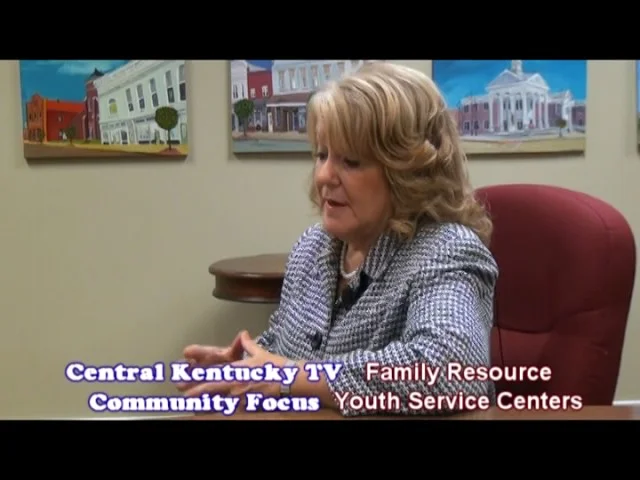
School Family Resource Youth Service Centers, often called 'FRYSCs,' play a vital role in supporting children's education by addressing basic needs and connecting families with community resources. In Washington County, coordinators like Wendy Chesser work to break down barriers to learning, ensuring every student has the opportunity to succeed both inside and outside the classroom.
Addressing Basic Needs: Food and Clothing
A primary focus of the Family Resource Center is ensuring students' basic needs are met so they can focus on learning. This includes providing food assistance through programs like free school breakfasts and lunches for all students in Washington County Elementary and Middle Schools, as well as a backpack food program for weekends. The center also maintains a clothing closet stocked with pants, shirts, socks, and underwear, accepting donations of new or gently used items. Initiatives like the 'Drop Your Drawers' campaign at the Washington County Library help collect essential undergarments, addressing a common but often overlooked need among students.
Educational and Family Support Programs
Beyond immediate needs, the centers offer educational programs designed to support long-term success. The 'Born Learning' program helps parents of children aged newborn to five become their child's first teacher, providing workshops on early childhood development and kindergarten readiness. Additionally, 'Cradle School' offers a mock preschool experience for toddlers, giving them a feel for a school setting. These programs include free meals and childcare, making them accessible to families. The centers also assist with utilities and bill payments when possible, referring families to agencies like Community Action for further support.
Mentoring and Volunteer Opportunities
Mentoring is a key component, with adult volunteers meeting one-on-one with students for 30 minutes weekly to provide attention and motivation. The centers are actively seeking more mentors, with background checks required. Another volunteer program, 'Watch D.O.G.S.' (Dads of Great Students), invites fathers to spend a full day at school, assisting with tasks and gaining insight into their child's environment. These initiatives not only support students but also strengthen community involvement, with volunteers often returning due to positive experiences.
Referrals and Crisis Support
The centers act as a bridge between schools and families, offering referrals for additional services when needed. This includes connecting children with counseling or therapy, which can often be provided at school to minimize disruption. Coordinators like Wendy Chesser help parents navigate challenges such as grief, loss, or behavioral issues by identifying resources and strategies. The goal is to ensure that every child receives the support necessary to thrive academically and emotionally, with a personalized approach based on individual circumstances.
Community Involvement and Donations
Community support is essential for the centers' operations. Donations of clothing, money, and time are always welcomed, with financial contributions being tax-deductible. Donors can specify how funds are used, whether for utility bills, clothing, or school supplies, ensuring local impact. Programs like the backpack food initiative rely on partnerships with organizations like the UK Extension Office. By fostering these connections, the centers amplify their ability to serve families, emphasizing that assistance stays within the county to benefit neighbors directly.
Key Takeaways
Conclusion
The Family Resource Youth Service Centers in Washington County exemplify how schools can extend their reach beyond academics to support the whole child and family. By addressing practical needs and fostering community connections, they create a foundation for educational success and well-being. As Wendy Chesser highlights, these efforts ensure that help remains local, directly impacting the futures of students in the community.
Bu video hakkında soru sor


