

Queen Rania Discusses Education Challenges in the Arab and Muslim World
Джерело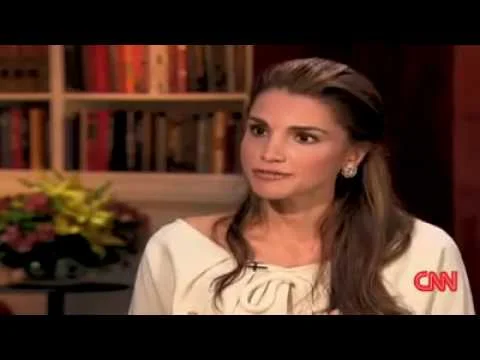
Queen Rania of Jordan discusses education priorities, challenges with gender parity and quality, and the need for education free from political or religious agendas in an interview.
The Global Education Crisis and Investment
Queen Rania states that education should be a global priority, as it is key to unlocking many world challenges. She notes that 75 million children are out of school today, and investing in education is crucial even during economic downturns because it pays dividends and does not devalue. She emphasizes that it costs only 11 billion dollars annually to put every child in school in low-income countries, a manageable amount compared to the hundreds of billions mobilized for banking systems.
Gender Parity and Quality in Arab World Education
In the Arab world, there have been investments to increase enrollment and achieve gender parity, but 6 million children are out of school, with two-thirds being girls. The real challenge now is focusing on education quality, as children are not gaining necessary skills, and there is a disconnect between the education system and the private sector, leading to high youth unemployment. While mindsets are changing and education for girls is becoming a priority, discrimination persists due to traditions and cultural attitudes that take time to overcome.
Addressing Stereotypes and Madrasas
Queen Rania cautions against generalizing about the Arab world, noting that situations differ by country. She mentions her program Madrasati in Jordan, which assesses and revamps schools through partnerships, shifting responsibility for education to a national effort. She advocates for education free from political or religious agendas, opposing textbooks that promote hatred or stereotypes. She believes children should learn how to think, not what to think, and that feeding prejudice is equivalent to child abuse, a problem she sees occurring globally.
Key Takeaways
Conclusion
Queen Rania highlights the importance of education investment, the ongoing struggles with gender parity and quality in the Arab world, and the need for an education system that fosters independent thinking without prejudice.
Запитати AI про відео