

Artículos resumidos de YouTube
Explora resúmenes generados por IA de vídeos de YouTube
Tema
Idioma
Generado
Vídeo publicado
 15:01
Зачем заниматься живописью в эпоху нейросетей
Художник и преподаватель Софья Гинова рассуждает о том, почему в 2026 году, в условиях экономического кризиса и распространения нейросетей, она продолжает писать картины маслом и учить этому других.
 19:54
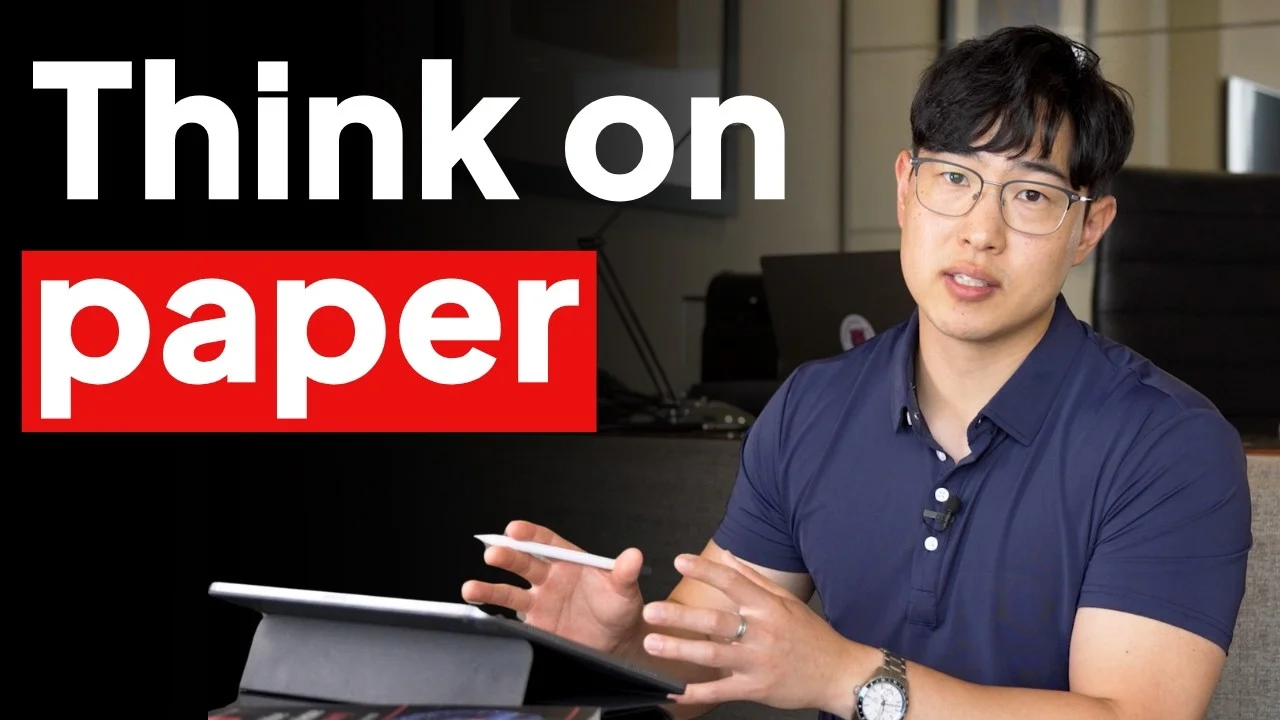
Think on Paper: A Three-Principle Method to Learn Faster
The speaker describes a method called 'thinking on paper' that he discovered halfway through medical school and that cut his learning time by at least half. He explains what it means, how to do it using three principles, and why it works.
 3:36:30
Anatomy Quick Fire: A Comprehensive Review of Human Anatomy
This video presents a rapid-fire review of human anatomy, covering embryology, the limbs, head and neck, brain, and pelvis. It focuses on key structures, their relationships, and clinical correlations.
 17:14
Coldness in My Heart: історія дівчини, яка різала себе до кісток
Історія про таємничий акаунт Coldness in My Heart на Tumblr, який належав дівчині на ім'я Еріка. Вона завдавала собі надзвичайно глибоких ран, і ніхто не знав, як вона виживає.
 22:57
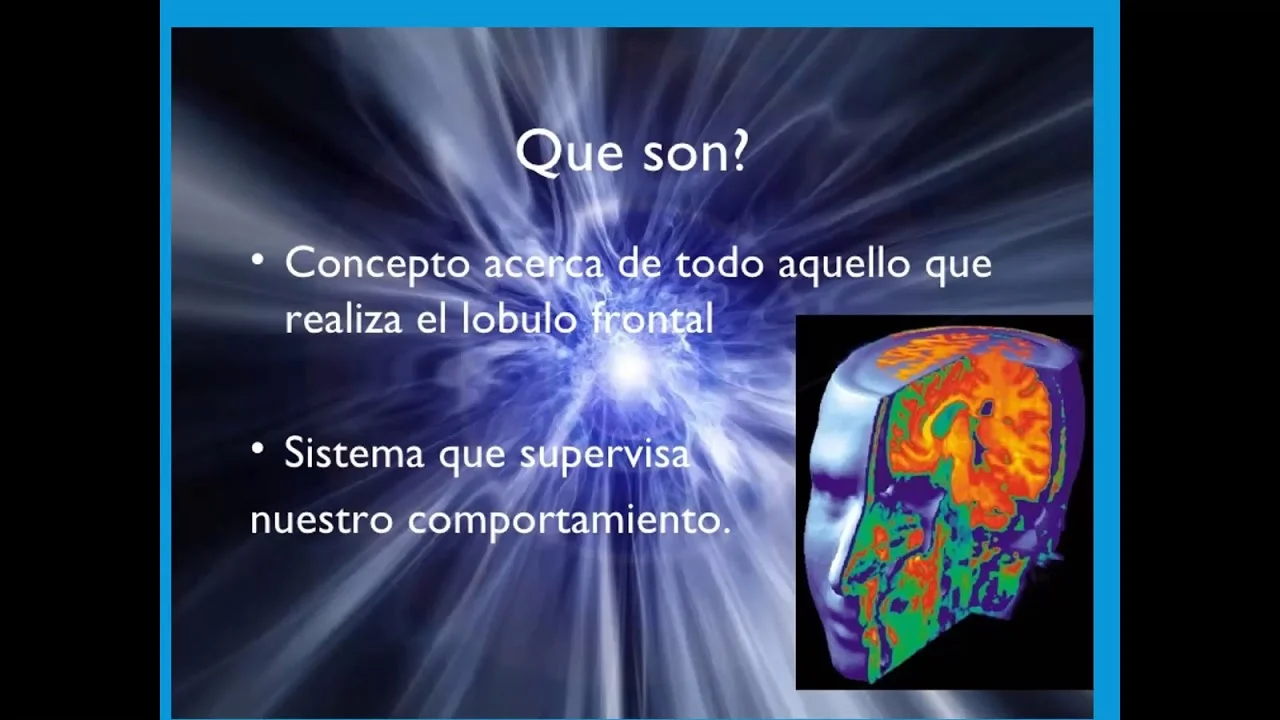
El área prefrontal: funciones ejecutivas y metacognición
El video explica la ubicación, las conexiones y las funciones del área prefrontal, con énfasis en las funciones ejecutivas y la metacognición, y su papel en la conducta humana.
 21:31
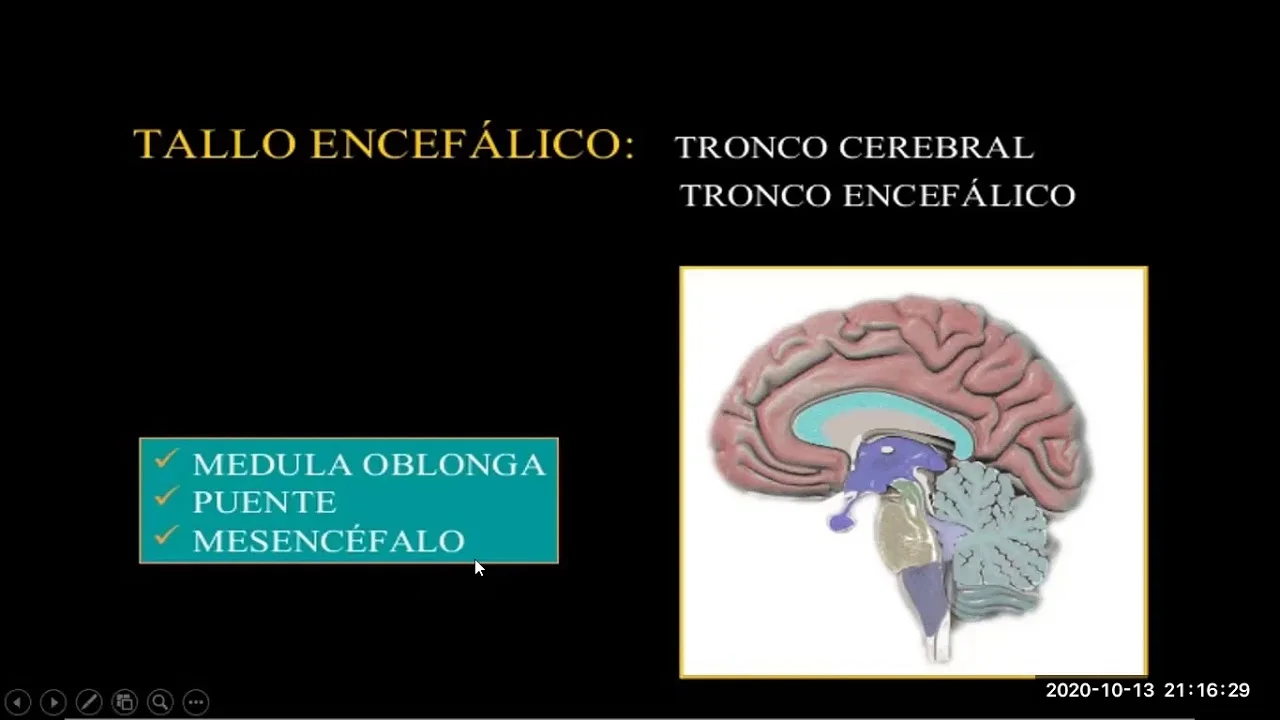
Función de la médula espinal y el tronco cerebral: anatomía, reflejos y formación reticular
El video repasa la anatomía y función de la médula espinal y del tronco cerebral, incluyendo el arco reflejo y la formación reticular. Es la segunda parte del curso, tras haber visto sinapsis y neuroplasticidad.
 22:29
Neuroplasticidad: cómo el cerebro genera nuevas conexiones y aprende a lo largo de la vida
La neuroplasticidad es la capacidad del cerebro para generar nuevas conexiones sinápticas y adaptarse a los cambios. En este artículo se explican sus tipos, su relación con el aprendizaje y los períodos críticos del desarrollo.
 29:01
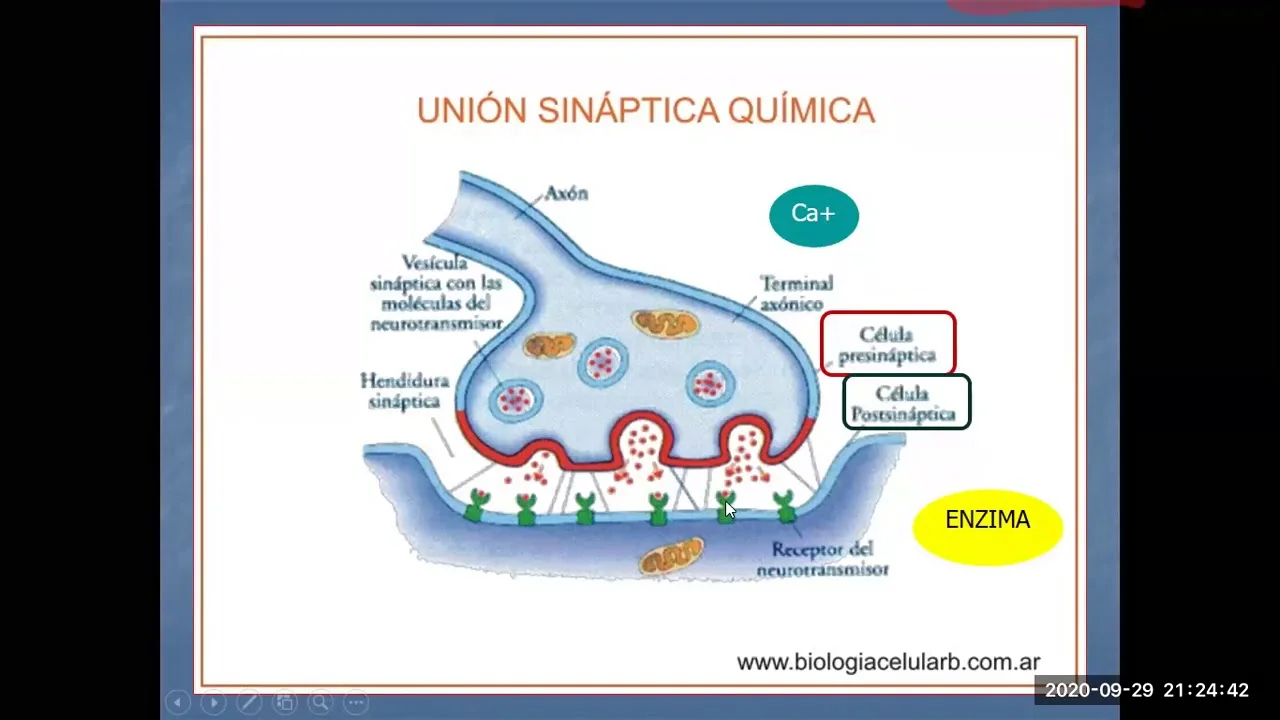
Sinapsis: Eléctricas y Químicas - Anatomía y Fisiología del Sistema Nervioso
El video explica qué son las sinapsis, sus dos tipos —eléctrica y química—, sus partes y funciones, centrándose en la sinapsis química por ser la más común en el sistema nervioso central. Se detallan los procesos de transmisión, los neurotransmisores y su importancia en la acción de fármacos y droga
 11:25
Understanding Schizophrenia: More Than Hallucinations
Schizophrenia is the most serious disorder in psychiatry, defined by psychosis and a range of symptoms that go beyond hallucinations. Dr. Tracey Marks explains the diagnostic criteria, associated features, and treatment approaches.
 5:33
Understanding Schizophrenia: Symptoms, Causes, and Treatments
Schizophrenia is a complex and often misunderstood syndrome that affects thinking, perception, and behavior. This article outlines its symptoms, potential causes, and available treatments based on current knowledge.
 35:35
The Origins of Schizophrenia: Risk Factors and Pathways
Schizophrenia is a syndrome with multiple risk factors that can combine in various ways. This article reviews four categories of risk—biological/genetic, pharmacological, psychological, and social—using the case of Jared Loughner as an illustrative example.
 4:23
The History of Schizophrenia: From Superstition to Compassion
This article traces the history of schizophrenia, from ancient and medieval misconceptions to modern treatment approaches, highlighting the evolution of care and understanding.